
Digital Safety and Human Rights: Stakeholders Unite Against Online Violence
Share this
In today’s rapidly evolving digital landscape, the opportunities for communication, learning, and engagement are immense. However, alongside these opportunities, the threats of digital and online violence have been increasing at an alarming rate. To address this pressing issue, Kayapalat and the National Human Rights Commission (NHRC) Nepal, in partnership with People in Need and DDRC, and with funding support from the UK in Nepal, jointly organized a Consultation Program on “Digital/Online Forms of Violence.”
The program aimed to shed light on the emerging challenges of online violence, discuss its human rights implications, and foster a collaborative effort to mitigate its consequences, particularly for vulnerable groups such as women, children, and youth.
Understanding the Landscape of Digital Violence
The consultation featured a comprehensive presentation by SSP Kamal Thapa from the Provincial Police Office. He elaborated on the current situation of digital violence, citing cases from various social media platforms that have increasingly become breeding grounds for harassment, misinformation, exploitation, and abuse. SSP Thapa emphasized that while technology has transformed communication, it has also created spaces where rights violations flourish unchecked. He underlined the need for practical mitigation strategies and encouraged collective dialogue to adopt preventive approaches and robust response mechanisms.
Online GBV and Human Rights Perspectives
 Building on this, Under Secretary Buddha Narayan Sahani presented on Online Gender-Based Violence (GBV) and Human Rights Perspectives. He highlighted how digital forms of violence directly infringe upon fundamental rights, particularly the right to dignity, security, and equal participation in digital spaces. Sahani stressed the urgent need for quick and responsive actions, led especially by young people, to safeguard digital freedoms and protect communities from the growing threats of online exploitation and abuse. His insights brought attention to the human rights dimensions of the problem, moving the discussion beyond technology into accountability and justice.
Gen Z and the Digital Experience
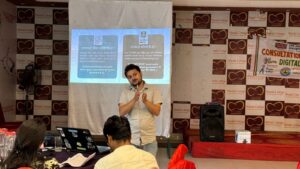
Adding to the discourse, Diwakar Uprety, Founder of Kayapalat, delivered a presentation on Gen Z’s use of online mediums and their consequences. Uprety illustrated how younger generations are at the forefront of digital engagement, navigating opportunities for learning, activism, and networking. At the same time, they are also highly vulnerable to digital exploitation, misinformation, and mental health risks associated with excessive or unsafe use of online platforms. He stressed the need to promote digital literacy, critical thinking, and ethical use of technology among youth to ensure that the digital space remains empowering rather than exploitative.
Stakeholders Commitment
The strength of the consultation lay in its diversity of participation. Representatives from local government, ward secretaries, PABSON, NPABSON, civil society organizations (CSOs), child clubs representatives, teachers, political youth wings, and youth activists engaged in meaningful discussions on the roles they must play in countering online GBV and digital violence. The participants acknowledged that addressing digital violence is not the sole responsibility of law enforcement or human rights bodies but a shared responsibility that requires collaboration across sectors.
The program concluded with a shared understanding among stakeholders: online violence is a growing threat that undermines human rights, democracy, and community well-being. Participants recognized their roles in awareness-raising, policy advocacy, community engagement, and youth mobilization. The consultation served as a reminder that digital safety is not just a technical issue but a human rights imperative.
By bringing together diverse voices and expertise, the consultation program marked an important step toward building safer, more inclusive, and rights-respecting digital spaces in Nepal. The call to action was clear collective efforts are essential to counter online GBV and safeguard the rights of all citizens in the digital age.