• (+977)9845769808
  • kayapalat.nepal@gmail.com
  • Janakpurdham, Madhesh Province, Nepal
What is Black Carbon ?

What is Black Carbon ?

Black carbon, also known as soot, is a type of particulate matter consisting of fine particles composed primarily of carbon. These particles are produced through incomplete combustion of fossil fuels, biomass, and biofuels. The combustion process might occur in various sources, including vehicle engines, industrial facilities, residential heating, and open burning of fields or forests. Black carbon particles are very…

World needs to limit global warming to 1.5°C to protect cryosphere, 2°C too high: Report

World needs to limit global warming to 1.5°C to protect cryosphere, 2°C too high: Report

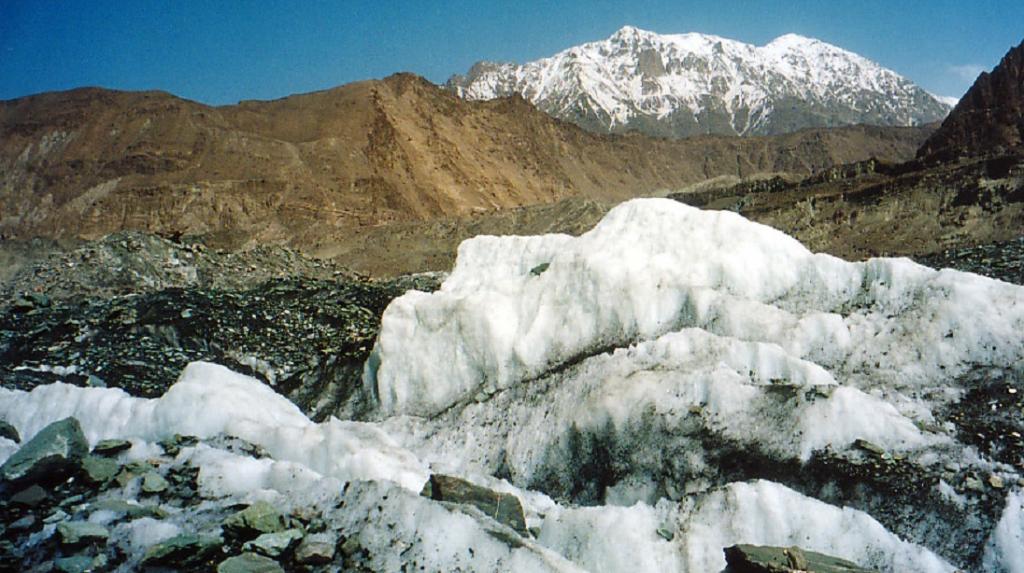
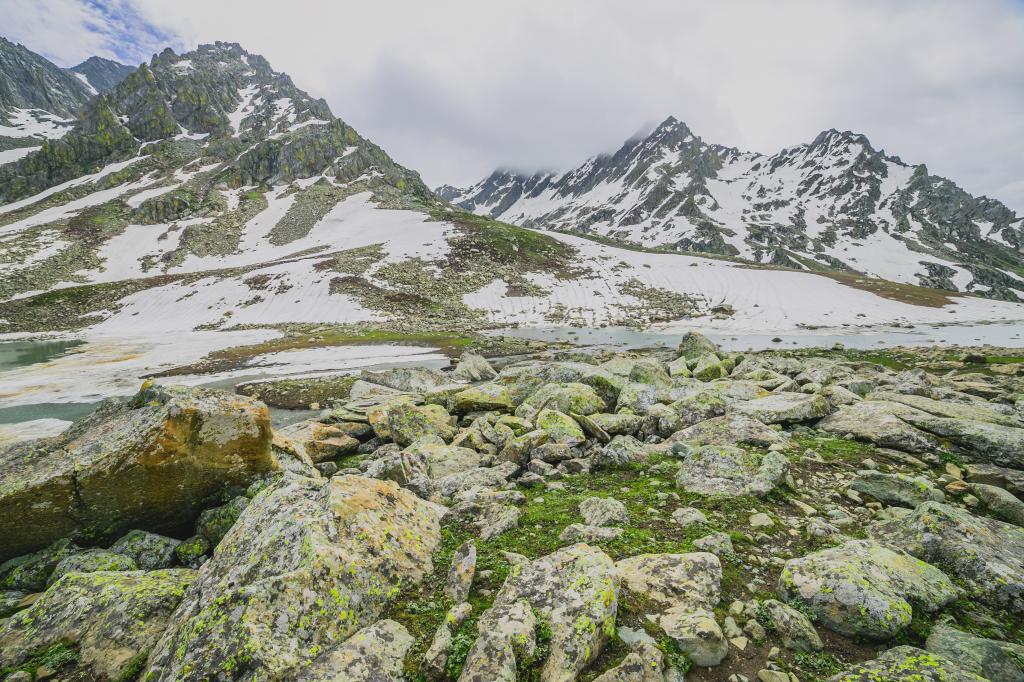
Nearly all tropical glaciers, most mid-latitude glaciers and polar regions will disappear even if the world manages to limit global temperature rise to 2 degrees Celsius, above the preindustrial era, according to the State of the Cryosphere 2023 report. The Himalayas are also expected to lose 50 per cent of today’s ice if global average temperatures touch 2°C, the report by the…

Make your Tihar eco-friendly this time. Follow 6 ways to do so

Make your Tihar eco-friendly this time. Follow 6 ways to do so

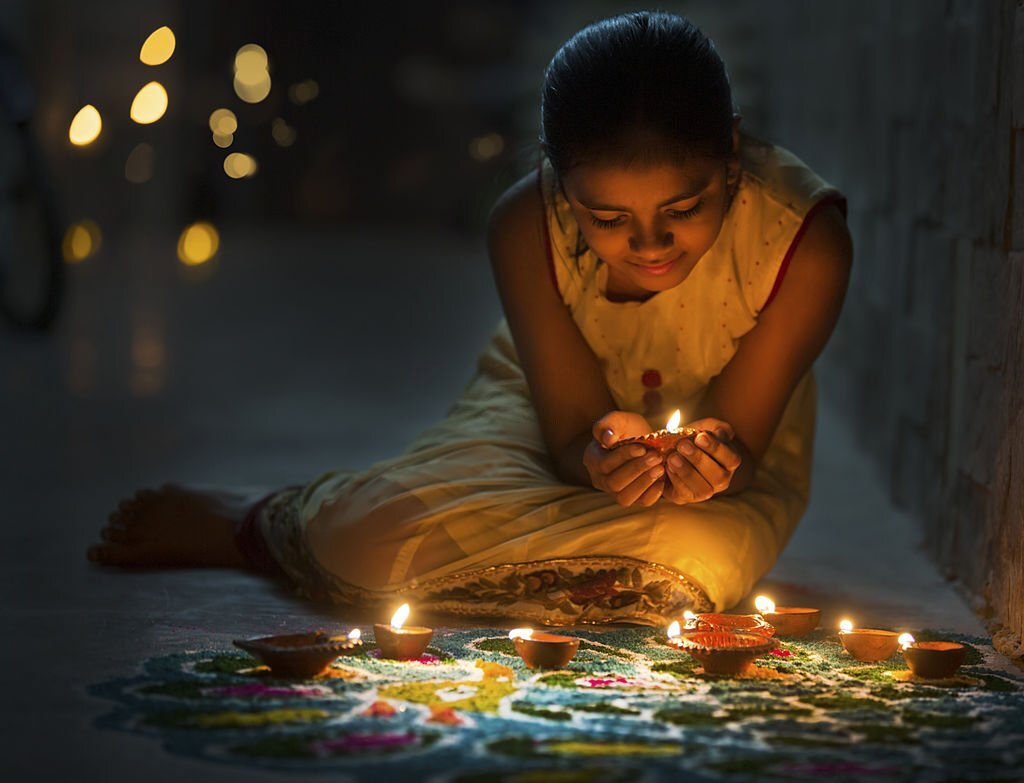
Tihar is known as the festival of lights and colours. Hindu people in Nepal celebrate this festival with much fervor and joy. But, they seem to care much little about the environment during this huge celebration of the victory of brightness over darkness. But, not from now onwards. This Tihar and onwards, let’s pledge to be responsible and enjoy this…

हामीले कति प्लास्टिक खाइरहेका छौं ?

हामीले कति प्लास्टिक खाइरहेका छौं ?

अहिले विश्वले भोगिरहेको सबैभन्दा घातक प्रदूषणमध्ये प्लास्टिक प्रदूषण पनि एक हो। जी-२० लगायत अधिकांश विश्व सम्मेलनहरूमा प्लास्टिक प्रदूषण एजेन्डा बन्ने गरेको छ। प्लास्टिक हाम्रो जीवनको अभिन्न अंग बनेर बसेको छ। सन् १९०७ देखि नै प्लास्टिक प्रयोगमा आए पनि यसको अत्यधिक प्रयोग भने सन् १९५० को दशकदेखि हुन लागेको हो। विश्व प्रसिद्ध जर्नल ‘साइन्स’ मा प्रकाशित एक लेखका अनुसार सन २०१९…

Circular Economy of Plastics

Circular Economy of Plastics

The focus of this year’s World Environment Day was solutions to plastic pollution which was observed under the theme #BeatPlasticPollution. Similarly, in 2022, at the UN Environment Assembly, a resolution was endorsed to end plastic pollution. The Intergovernmental Negotiating Committee (INC) is expected to complete a draft of a global legally binding agreement by 2024 to address the lifecycle of…

नेपालमा प्रकाश प्रदूषण : कसरी असर पुर्‍याउँछ ?

नेपालमा प्रकाश प्रदूषण : कसरी असर पुर्‍याउँछ ?

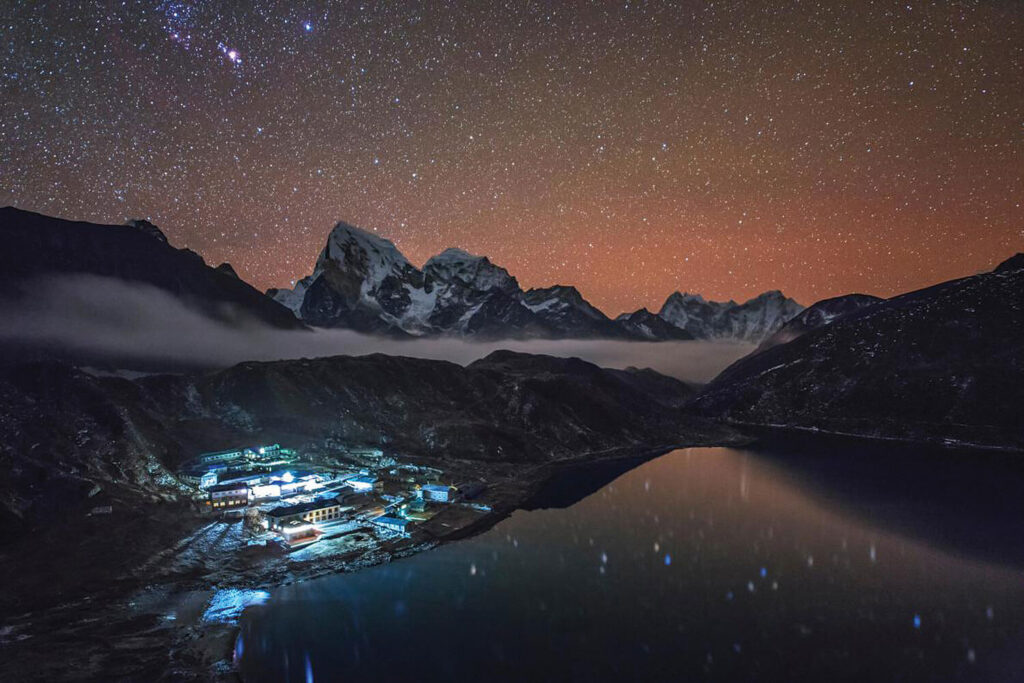
प्रकाश प्रदूषणले रातको आकाशलाई उज्यालो बनाउने र प्राकृतिक अन्धकारमा हस्तक्षेप गर्ने मानव गतिविधिहरूद्वारा उत्पादित अत्यधिक वा गलत दिशानिर्देशित कृत्रिम प्रकाशलाई जनाउँछ। यो सहरी र उपनगरीय क्षेत्रहरूमा कृत्रिम प्रकाशको अत्यधिक मात्राको कारणले गर्दा हुन्छ । जसले गर्दा वायुमण्डलमा प्रकाश छरिन्छ र रातको आकाशमा चमक सिर्जना गर्दछ। नेपालमा प्रकाश प्रदूषणले वातावरण र मानव समाज दुवैमा धेरै असर पारेको देखिन्छ । केहि प्रभावहरू…

Can you beat air pollution with masks

Can you beat air pollution with masks

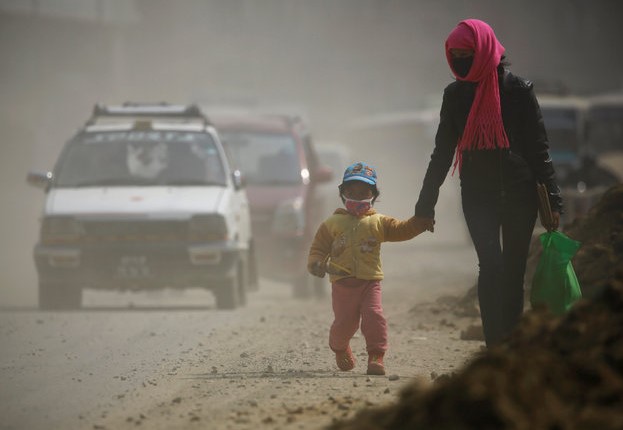
Research has shown that exposure to air pollution, be it brief or over the long term, can have negative impacts on the lungs and hearts, and potentially the brain as well (Brook 2009). It is estimated that outdoor air pollution causes 3 million excess deaths worldwide each year (The Lancet 2015). In response, a number of cities have introduced policies aimed at reducing…

What Is PM 2.5 and How Can You Reduce Your Exposure ?

What Is PM 2.5 and How Can You Reduce Your Exposure ?

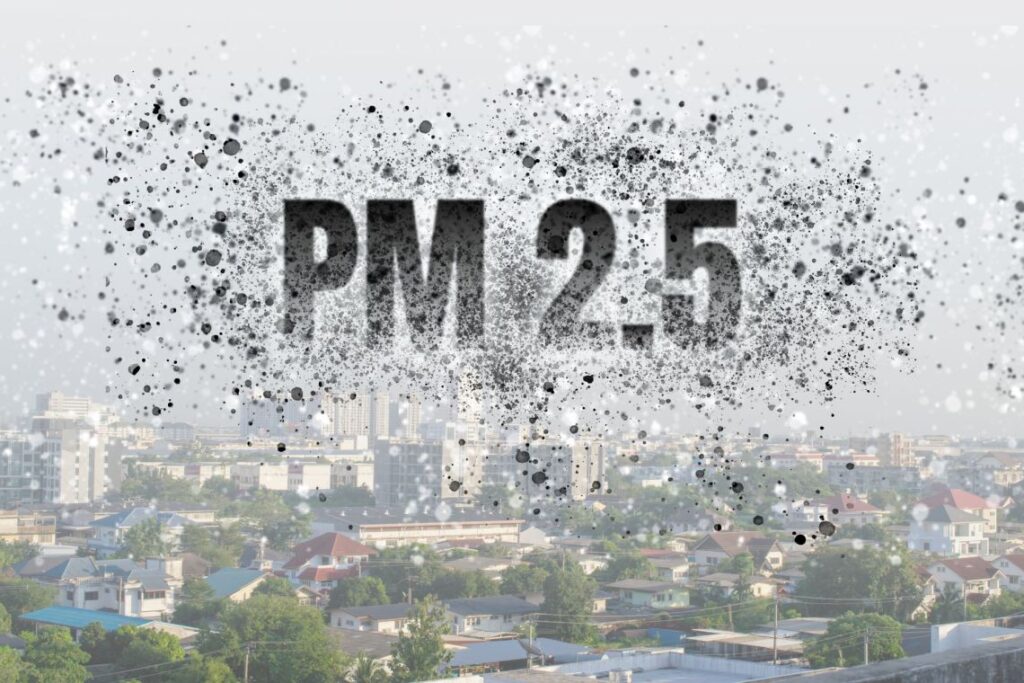
You may have heard about PM 2.5 mentioned in a recent science or health article, or even on the news as part of coverage of wildfires or other air pollution events. High levels of PM 2.5 can have serious health consequences for you and your family. But what does this term mean, and how is it linked to respiratory disease, heart…

Curbing Plastic Pollution In Nepal

Curbing Plastic Pollution In Nepal

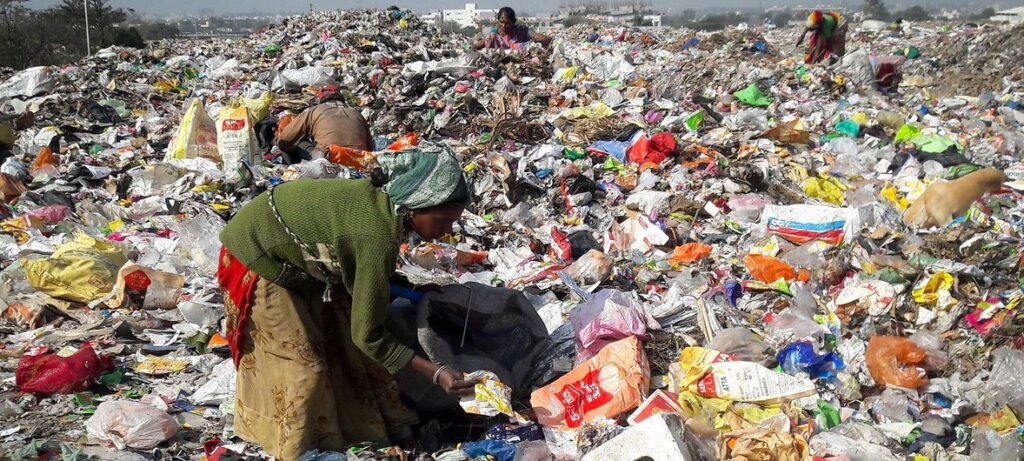
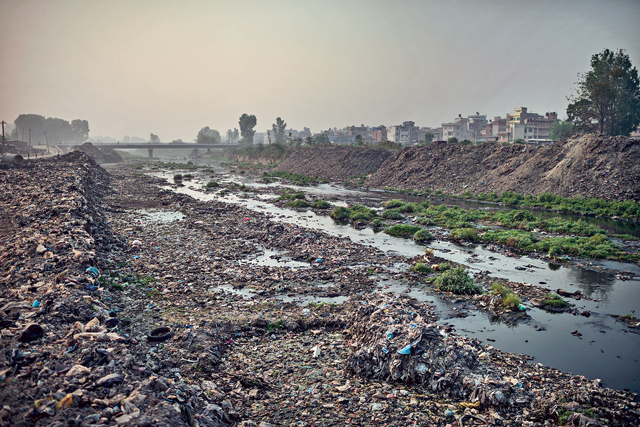
Nepal is one of the South Asian countries hardest hit by the industrial-scale degradation of the environment. Plastic, 99 per cent of which is derived from fossil fuels, is arguably the most conspicuous story of them all. According to the ICIMOD, Nepal generates 2.7 tons of plastic waste daily, polluting the country’s streets, rivers, forests, and even Himalayan trekking routes….

Explained: Climate Change, Earthquakes and Hydropower in the Himalayas

Explained: Climate Change, Earthquakes and Hydropower in the Himalayas

The Himalayas are relatively new mountains, created by the Indian tectonic plate being pushed under the Eurasian plate, causing it to buckle. Earthquakes are caused by a release of the pressure that builds when tectonic plates slip against each other, and so as this plate movement continues, the Himalayan region is very prone to earthquakes. With climate change impacting weather…